
Dental Hygiene
What Happens During a Dental Hygiene Appointment
Dental hygiene visits are about more than just polishing your teeth. They give us a chance to remove buildup, monitor your oral health, and help prevent future problems before they start.
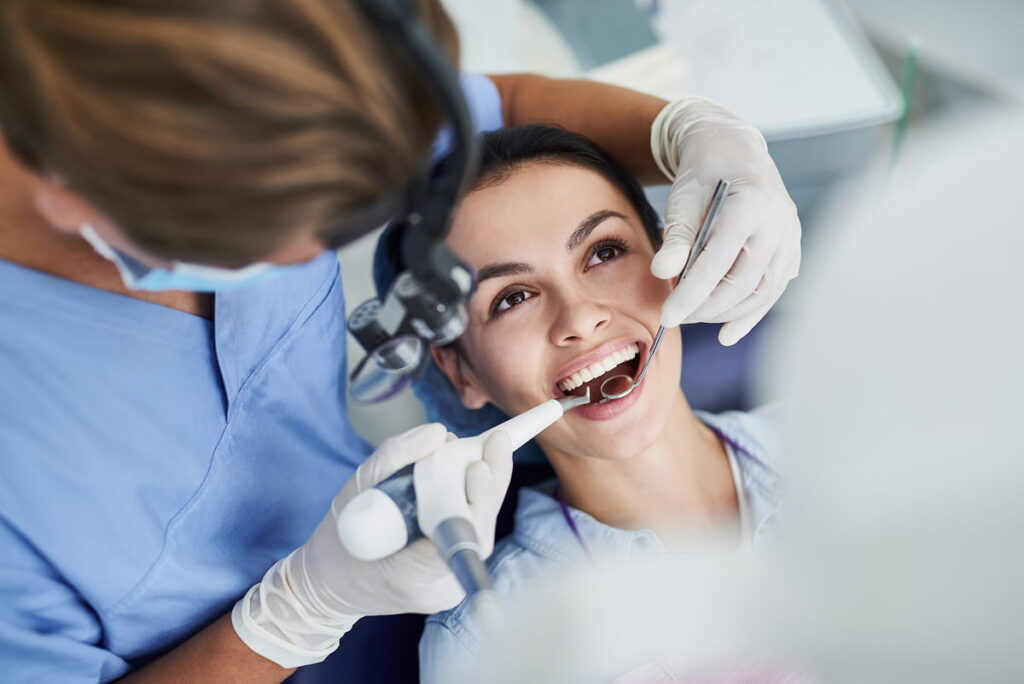
During your appointment, we may:
- Remove plaque and tartar buildup
- Polish away surface stains for a cleaner, brighter smile
- Check for signs of cavities or gum disease
- Monitor changes in your teeth and gums
- Assess areas that may be difficult to clean at home
- Take X-rays if needed
- Provide personalized brushing and flossing tips
We take the time to explain what we’re seeing and answer any questions along the way, so you always feel informed and comfortable during your visit.
Your gums are the foundation of your smile.
When they’re healthy, they help support and protect your teeth. When they’re inflamed or irritated, it can lead to bleeding, sensitivity, bad breath, gum recession, and eventually even tooth loss if left untreated.
Many people are surprised to learn that gum disease can develop quietly with very few obvious symptoms at first. Regular hygiene visits help us catch those early signs before they become more serious.
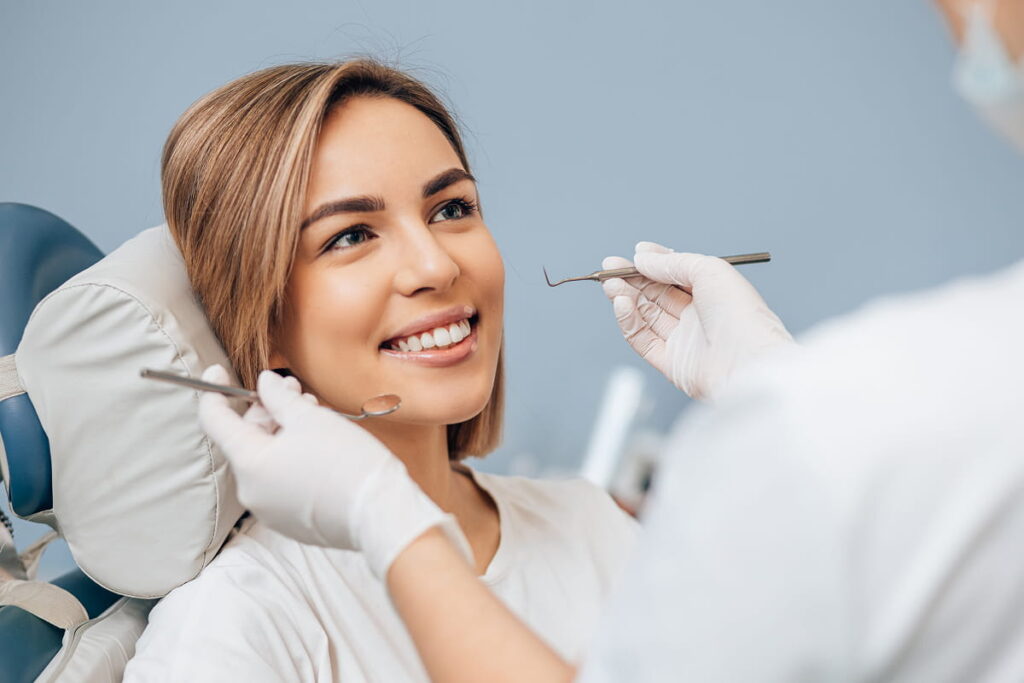

A professional cleaning reaches the areas your toothbrush and floss can miss.
Even patients with great at-home routines can develop plaque and tartar buildup over time, especially around the gumline and between teeth.
That fresh, smooth feeling after a hygiene appointment is more than cosmetic. It’s your mouth getting back to a healthier baseline.
Regular hygiene visits can help you:
Keep your breath fresh
Minimize inflammation and bleeding gums
Reduce staining from coffee, tea, and wine
Maintain a cleaner, healthier feeling mouth
Lower your risk of cavities and gum disease
Protect your long-term oral health
Frequently Asked Questions
How frequently should I get my teeth cleaned?
We typically suggest scheduling teeth cleanings and checkups every 6 months. Depending on your specific dental needs, the dentist might recommend more frequent visits. If there are constraints due to insurance coverage or cost, we can also arrange for longer intervals between appointments when absolutely necessary.
What should I do if my tooth is painful but it's not yet time for my next dental checkup?
Don’t delay! Contact us immediately if you experience any pain or discomfort in your mouth. Cleanings are an ideal time to prevent dental problems, but not the only opportunity to address them. Report even minor issues as soon as they arise, so we can treat them before they escalate.
I wear dentures. Should I still have regular dental checkups?
Absolutely, checkups assess your entire mouth—including gums, tongue, and bones. Even with dentures, it’s critical to verify they are fitting well and in excellent condition, while we also check your overall oral health.
How much time should I expect a dental cleaning to take?
On average, a dental cleaning lasts from 30 minutes to one hour, with you lying down comfortably in a dental chair during the session.
Is there a way for me to prevent tartar formation?
Use a fluoride-enhanced tartar-control toothpaste. Dental floss is essential for removing plaque between your teeth and preventing tartar in those tough spots, regardless of your brushing skills. Additionally, rinse every day and incorporate an antiseptic mouthwash into your daily routine to help destroy plaque-forming bacteria.
Is it okay to eat right after a dental cleaning?
You can eat immediately after a regular dental cleaning, although you should avoid acidic or rough-textured foods and beverages. However, if your cleaning included a fluoride treatment, wait at least 30 minutes before eating anything.
Can I brush my teeth immediately following a dental cleaning?
Continuing to brush and floss your teeth following a cleaning is the ideal way to preserve the results of your dentist’s work.