
Emergency Dentistry
When Something Can’t Wait Until Tomorrow
A dental emergency is any situation where you need urgent care to stop pain, control bleeding, prevent infection, or save a tooth.
These situations can happen suddenly, from an accident, biting into something hard, untreated decay reaching the nerve, or an infection that has progressed quickly.
When something feels wrong, it is always better to get checked sooner rather than later. Acting quickly can often mean simpler treatment, less pain, and a better chance of saving your natural tooth.
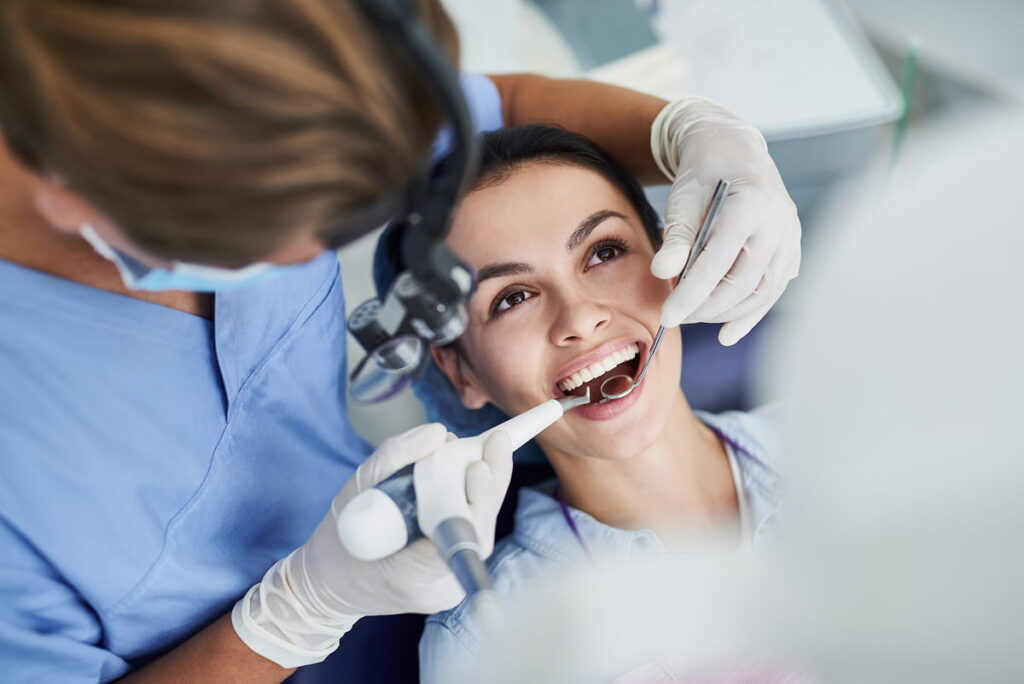
Common Dental Emergencies
You should seek urgent dental care if you are experiencing:
- Severe tooth pain that affects eating or sleeping
- A tooth that has been knocked out
- A tooth that is cracked, broken, or badly chipped
- Swelling in the gums or face
- A dental abscess or pimple-like bump on the gums
- A lost filling or crown
- Broken braces or orthodontic appliances
- Pain after dental trauma or injury
Even if you are unsure, it is better to call and be assessed.
Why Fast Treatment Matters
Dental emergencies can escalate quickly. What starts as mild discomfort can turn into infection or permanent damage if left untreated.
Prompt care can help:
- Save a natural tooth that might otherwise be lost
- Prevent infection from spreading
- Reduce the need for more complex treatment later
- Relieve pain more quickly
- Improve long-term outcomes and recovery
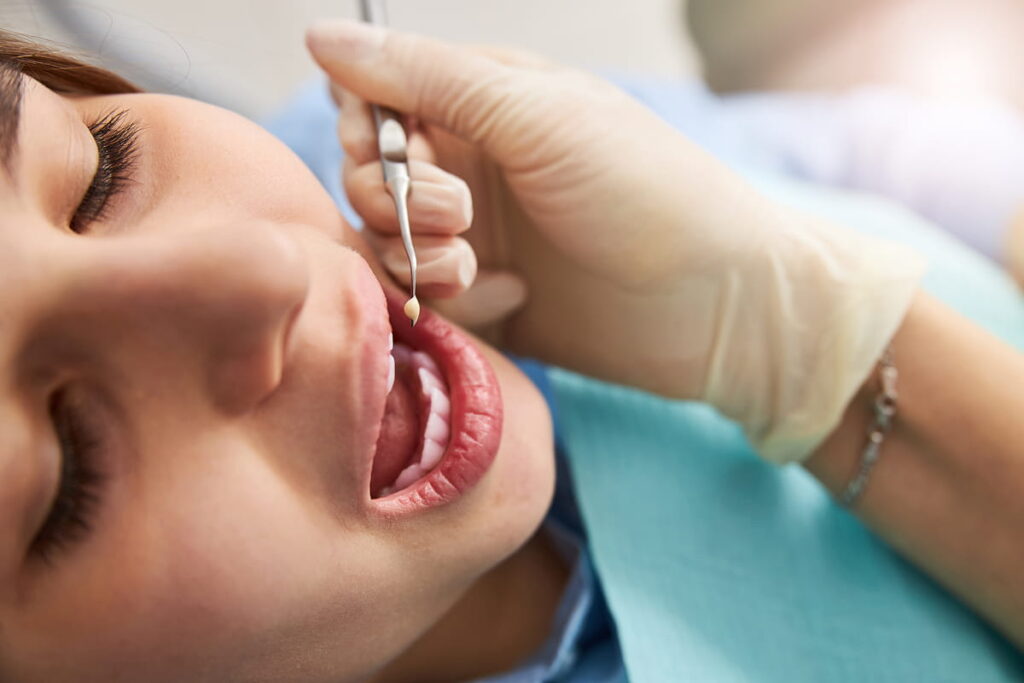
What to Do in a Dental Emergency
If you are dealing with a dental emergency, staying calm and taking a few simple steps can help protect your teeth until you are seen.
Tooth Pain
Use a cold compress on the outside of your cheek to help with swelling and discomfort. Over-the-counter pain relief may help temporarily. Avoid placing aspirin directly on the gums. Keep track of any medication you take before your visit.
Knocked-Out Tooth
If a tooth is knocked out, handle it carefully by the crown, not the root. If it is clean, try to gently place it back in the socket. If that is not possible, store it in milk or saliva and contact us immediately. Timing is critical, and the sooner you are seen, the better the chance of saving the tooth.
Broken or Chipped Tooth
Rinse your mouth gently with warm water and save any broken pieces if possible. If there is bleeding, apply light pressure with clean gauze. A cold compress can help reduce swelling until you are seen.
Lost Filling or Crown
If a filling or crown falls out, avoid chewing on that side. You can temporarily cover the area with dental wax if available, but it is important to have it repaired as soon as possible to protect the tooth.
Abscess or Infection
A swollen area on the gums or a pimple-like bump may indicate infection. Rinsing gently with warm salt water can help with comfort, but infections require prompt dental treatment to prevent them from spreading.
Jaw Injury
If you have experienced trauma to the jaw, apply a cold compress and avoid chewing. If you suspect a fracture or significant injury, seek immediate dental or medical care.
We Are Here When You Need Us
Dental emergencies can feel overwhelming, but you do not have to manage them alone. Our team is here to provide prompt, supportive care and help you through the situation with clear guidance and calm, effective treatment.
If something does not feel right, call us right away so we can help you take the next step.