
Orthodontics
Straighter Teeth, Healthier Bite, Better Long-Term Oral Health
Orthodontics is about more than straight teeth. It’s about how your bite functions, how easy your teeth are to clean, and how your smile holds up over time. When teeth are properly aligned, everyday care becomes simpler and long-term dental health is easier to maintain.
We provide orthodontic care for children, teens, and adults, with treatment options tailored to each stage of life and each individual smile.
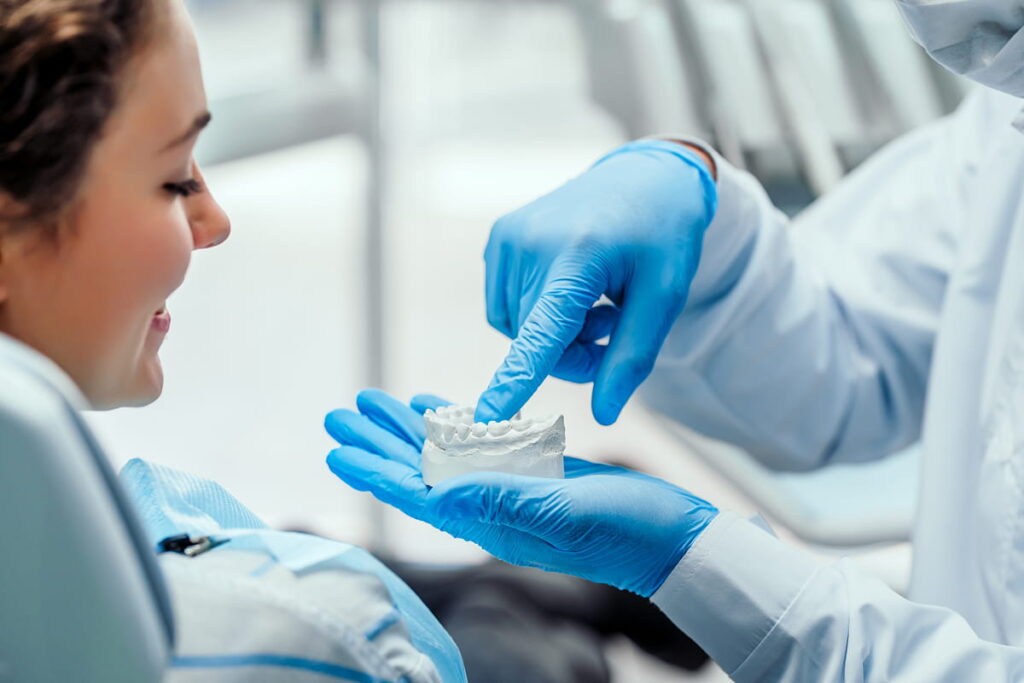
Misaligned teeth are very common, but they can create ongoing challenges that build slowly over time.
Orthodontic concerns can contribute to:
- Crowding that makes cleaning difficult
- Gaps where food can get trapped
- Bite issues that affect chewing comfort
- Uneven wear on teeth
- Gum irritation in hard-to-clean areas
- Gradual shifting of teeth over time
Even when there is no pain, alignment issues can still impact long-term oral health.
The teenage years are one of the most common times to begin orthodontic treatment.
At this stage, most permanent teeth are in place and the jaw is still developing, which makes it an ideal time to guide alignment and correct bite concerns.
For teens, orthodontic care can help:
- Improve alignment during active growth
- Prevent more complex issues later on
- Make daily brushing and flossing easier
- Support confidence during an important stage of life
We often recommend early assessments to identify crowding, spacing, or bite concerns before they become more complex.
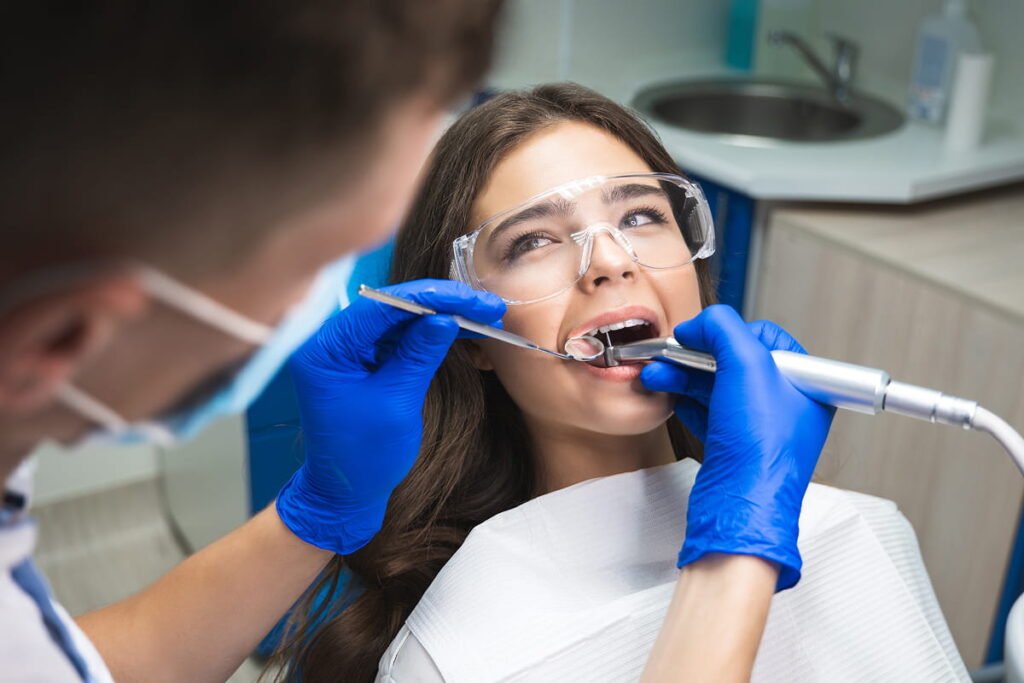
Orthodontic care is not one-size-fits-all.
After a full assessment, we recommend an approach based on your needs, comfort, and goals.
Depending on the case, treatment may include:
Clear Aligners
A removable, low-profile option that gradually shifts teeth into alignment. Popular with teens and adults who prefer a more flexible approach.
Braces
A reliable option for more complex alignment and bite correction. Modern braces are smaller and more comfortable than many people expect.
Early Monitoring and Guidance
For younger patients, we may track development over time to guide growth and intervene at the right stage if needed.

What Orthodontic Treatment Can Improve
A well-aligned bite supports more than appearance. It can improve how your mouth functions every day.
Orthodontic treatment can help:
- Make cleaning between teeth easier
- Reduce the risk of decay and gum disease
- Improve bite comfort and chewing efficiency
- Prevent uneven wear on teeth
- Support long-term stability of your smile
We begin with a detailed orthodontic assessment, including digital scans or imaging when needed.
This helps us understand how your teeth and bite are working together and what type of movement is required.
From there, a clear treatment plan is created so you know what to expect before starting.
Throughout treatment, we schedule regular check-ins to monitor progress and make any necessary adjustments.
A Smile That Works Better Every Day
Orthodontic treatment is about creating a smile that feels easier to care for, more comfortable to live with, and healthier over time.
Whether it’s for a teen starting treatment or an adult looking to improve long-standing concerns, we’re here to guide the process with clear communication and supportive care at every step.
Frequently Asked Questions
At what age can I get orthodontic treatment?
Orthodontic treatment is most effective during the early teenage years, before most adult teeth have fully emerged. If you are a parent, we encourage scheduling a consultation for your teenager to assess their needs. However, orthodontic solutions are also available for adults—it’s never too late to explore your options.
Do braces hurt?
Getting braces put on is generally painless, but some discomfort may occur as your teeth begin shifting. Most patients describe it as a mild pressure rather than pain. If you experience any discomfort, let us know—we can offer solutions to make your treatment as comfortable as possible.
What foods should I avoid with braces?
Avoid foods that could damage your braces, such as caramel, hard candy, or corn on the cob. Sticky or chewy foods like gum and popcorn can also be difficult to clean out of your braces. Additionally, limiting sugary and acidic foods is important, as they can be harder to clean off your teeth. If you have clear braces, be mindful that certain foods like beets, curry, and mac and cheese may cause staining.
My wire, bracket, or tray broke. What should I do?
Contact us immediately—don’t wait until your next scheduled appointment. Prompt repairs help prevent delays in your treatment progress.
How do I floss with braces?
Flossing with braces requires specialized tools like floss threaders or super floss, which are designed to navigate around brackets and wires. We’re happy to show you how to floss effectively at your next visit.
How long do braces take?
For minor corrections, treatment can take as little as six months. However, most patients wear braces for six months to two years, depending on the complexity of their case. After an oral exam, we can provide a more precise estimate for your treatment duration.