
Jaw Pain & TMJ Treatment
Jaw Pain Is Not Something You Should Have to Live With
If you’ve been dealing with jaw discomfort for a while, it can start to feel normal. But ongoing jaw pain, clicking, or tightness is not something you should ignore or simply “get used to.”
In many cases, these symptoms are linked to a condition called TMD (temporomandibular disorder), which affects the jaw joints and surrounding muscles that control how your mouth moves.
When these joints are strained, inflamed, or not working in balance, it can create pain not only in the jaw, but in other areas of the head and neck as well.
Common Signs of TMD
TMJ-related issues can show up in different ways, and symptoms are not always limited to the jaw itself.
You may notice:
- Jaw pain, tightness, or fatigue
- Clicking, popping, or grinding sounds in the jaw
- Frequent headaches or tension headaches
- Ear pain, pressure, or ringing in the ears
- Facial soreness or muscle tenderness
- Neck, shoulder, or upper back tension
- Difficulty chewing, yawning, or opening your mouth fully
These symptoms often come and go, which can make them easy to overlook at first.
Why TMJ Problems Happen
TMD can develop for several reasons. In many cases, it is linked to how the teeth come together or how the jaw is positioned during everyday function. Clenching or grinding, often during sleep, can also place extra stress on the joints over time.
Even small imbalances can gradually lead to muscle strain and joint irritation.
How We Diagnose TMJ Concerns
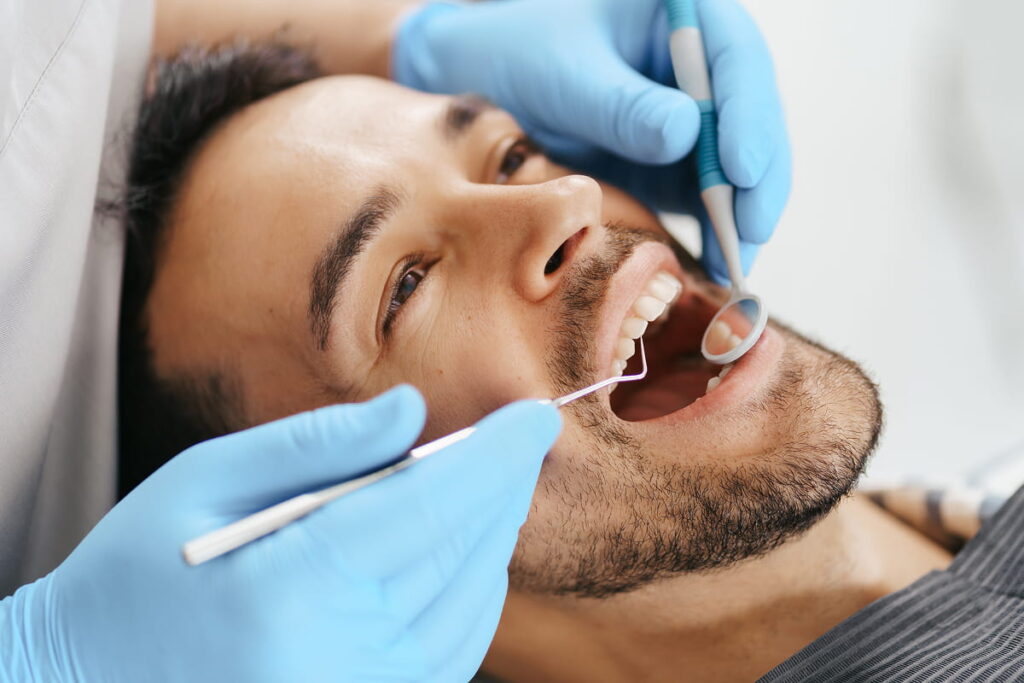
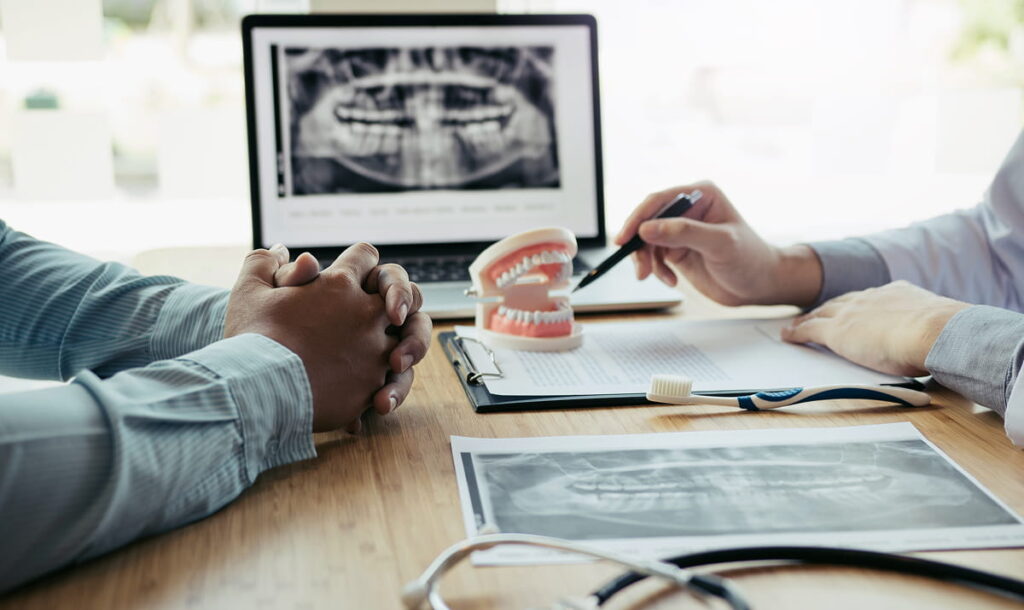
We start with a detailed assessment of your jaw, bite, teeth, and facial muscles. This includes checking how your jaw moves, listening for joint sounds, and looking for areas of tenderness or strain.
In some cases, imaging or additional records may be recommended to better understand how your bite and joints are functioning together.
The goal is always to identify what is contributing to the discomfort so we can create a plan that actually addresses the cause, not just the symptoms.
Treatment Options for Jaw Pain Relief
Treatment for TMD is highly individualized and depends on what is causing the issue. For many patients, conservative and non-invasive options are enough to significantly improve comfort.
Common approaches include:
Custom Bite Splints or Night Guards
These are specially made appliances that help reduce clenching and grinding, especially during sleep. They also help relax the jaw muscles and reduce pressure on the joints.
Bite Adjustment or Restorative Care
If the way your teeth come together is contributing to the issue, small adjustments or restorative treatments may help create a more balanced bite and reduce strain.
Orthodontic Treatment in Some Cases
If alignment issues are contributing to jaw stress, orthodontic care may be recommended to improve how the teeth and jaw work together over time.
Relief That Focuses on the Root Cause
The goal of treatment is not just to mask discomfort, but to reduce the strain on your jaw so symptoms become less frequent and less intense over time.
Many patients notice improvements in headaches, jaw tension, and overall comfort once the underlying issue is properly managed.
A More Comfortable Everyday Life
Jaw pain can affect more than just your mouth. It can impact sleep, focus, and how you feel throughout the day.
Our approach is supportive, careful, and focused on helping you get lasting relief so you can eat, speak, and move your jaw comfortably again without constant tension or discomfort.
Frequently Asked Questions
What Is TMJ/TMD?
At Wolter Advanced Dental Care, we ensure that all patients are given multiple treatment options in order to accommodate various personal needs. Our office utilizes the latest in dental technology and techniques in order to offer you the best care and treatment available.
Whether you visit our office for an annual cleaning or a detailed cosmetic makeover, we make it a priority to create a comfortable doctor-patient relationship so that patients leave the office feeling confident and satisfied with their dental care.
What Are the Symptoms of TMD?
Symptoms of TMD can include pain or tenderness in the jaw, face, temples, or around the ear. You may also experience difficulty opening or closing your mouth, along with clicking, popping, or grinding sounds while chewing, yawning, or moving your mouth. TMD is sometimes associated with headaches and neck pain.
What Causes TMD?
TMD can result from various factors, such as jaw injuries, joint diseases like arthritis, or bruxism (teeth grinding or clenching). Tension in the head or neck muscles may worsen the symptoms. While stress may contribute to TMD, it’s unclear whether stress directly causes it or is a result of it. Other contributing factors include poorly fitting dentures or certain habits, such as nail-biting or pencil chewing. Given the range of causes, it’s essential to consult with a professional to accurately diagnose the condition.
Is TMD Causing My Headaches?
Headaches can be caused by various factors, and identifying the exact cause requires a physical examination by a healthcare provider.
Does TMJ Treatment Require Surgery?
In most cases, TMJ pain can be effectively managed with non-surgical treatments. Surgery is rarely needed for TMD. We will always explore the least invasive and safest treatment options first, keeping your well-being and preferences in mind, and ensuring you are fully informed to make the best decision for your health.